
Aryama Aditya covers the degrees of the Zodiac that aligns with Tropical Aries. For more on how to calculate Adityas, see my post, Calculating Adityas & Their Correspondence to Tropical Signs
Purchase a Sun in Aditya Report – Discover which of the twelve solar deities holds the strongest influence in your chart — and what that means for your temperament, purpose, and path.
Aryama
To be kind, favorable and devoted to someone. Life friend, partner, spouse. Anything where long-term companionship is involved.
Aryama is the beginning of the formation of a functional tribe. They make good companions and are there for others. If one person is not self-reliant, then the companionship will not endure. In that case, the other person is trying to force the Aryama person into the Dhata role, which is the supporter role and is short-term. The only way something can be long-term is if it is a two-way street.
Contributing is a quality of this Aditya. If a person is not contributing, then the Aryama person will cut them off because they know how damaging it is to keep a person in a helpless state. If they cannot contribute, they cannot develop self-love. It won’t support leeches and freeloaders or helplessness.
Aryama is a deity of customs and traditions. Customs and traditions are landmarks of long-term associations. Deity of hospitality, Aryama is a great giver.
Aryama has qualities of restraint. Yama means “to restrain”. He has good judgement of what is right and wrong, what is dharmic and adharmic.
Aryama has capacity to bestow wealth because he has the greatest resources. Resourceful and self-reliant. If afflicted, the person is not useful.
Aryama’s element is Earth. Aryama rules what is between day and night, the twilight and dawn which unites male and female. Companionship is useful because we do not have it by ourselves. It is the differences that make companionship worthwhile. Each person brings their own skills, talents, resources, knowledge and they synergize into something else.
Aryama has the quality of liberality which is the freedom to spend money. He has it but he does not make it, he has it to dispense and distribute.
Fluctuations in the wealth of this Aditya depending on where they are meant to dispense wealth. When healthy, they are great gift givers, very generous. They also understand when it’s time to stop distributing wealth. When this Aditya is afflicted, they spend wealth foolishly.
Aryama is the Restrainer of Enemies. It does that through diplomacy. By a willingness to be a companion to the enemies. No limits exist to whom Aryama can be a companion. Solutions come from companionship and working together.
Aryama is the Lord of the Ancestors. The ancestors give us gifts and inheritances. They give us genetic gifts like skills, abilities, different qualities of resources and self-sufficiency.
Aryama is the love to accompany. If afflicted, people are not able to have long-term associations. They are either selfish or lack the ability to contribute that makes them feel good about themselves. They can also attract people who are selfish so they must eventually disentangle.
Aryama doesn’t have short-term relationships. If a relationship begins, it will continue as long as the other person is self-reliant and contributing.
Aryama can kill or end something that is of no long-term benefit, through the Yama and Saturn force. Saturn loves to be in this Aditya and is considered to be under the planetary state of delight while residing here.
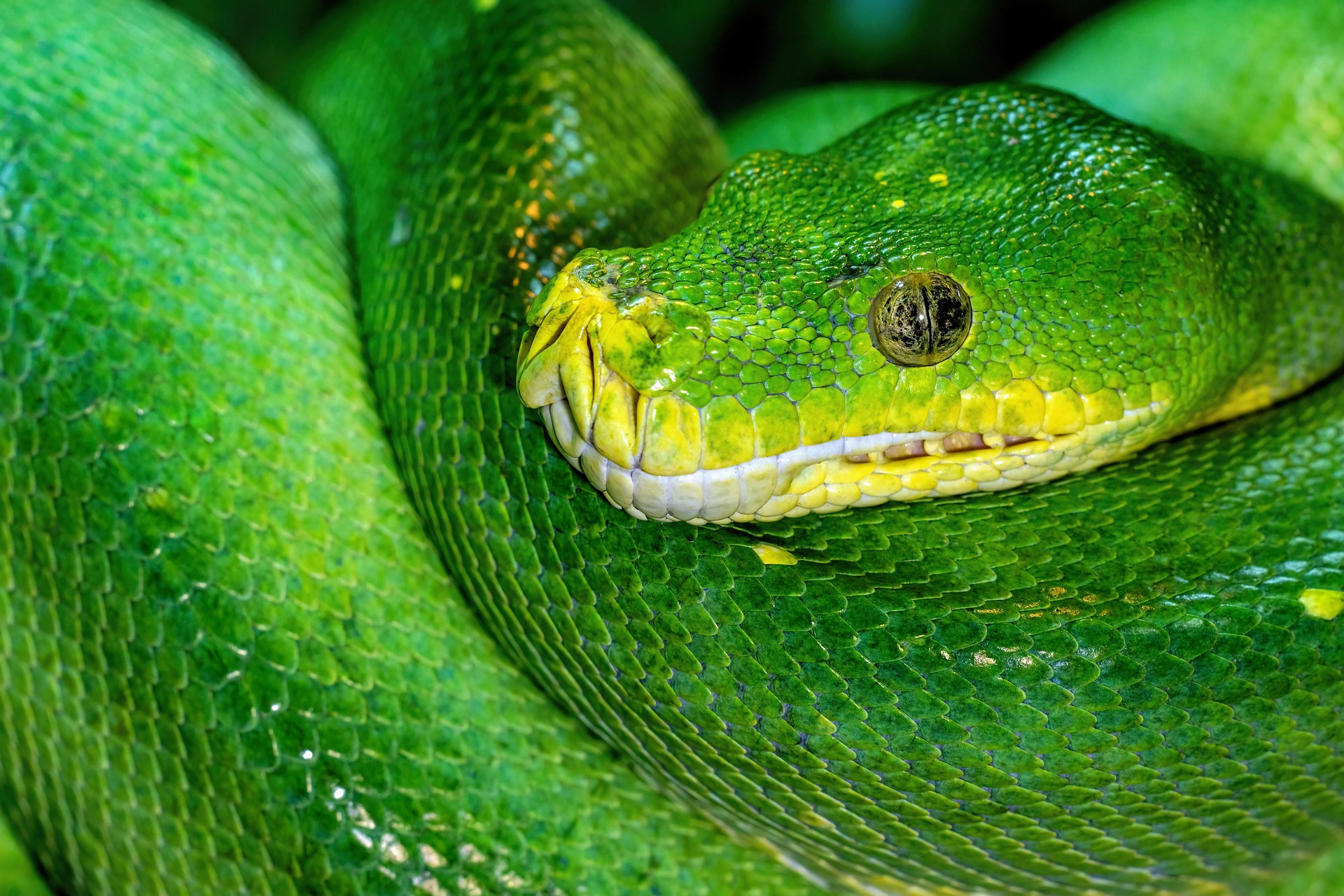
Kacchanira Naga
Nagas are ruled by the Moon and it is the Naga that unfetters the Chariot of the Aditya.
Kaccha means bank of a river or shore of lake or beach. Nira means water itself. It’s an idea of where water and bank come together. Most nagas live underground or deep in the Sea but these nagas are hanging out on the shore. It makes sense when we consider that Aryama is an Earth Aditya.
A temptation exists at this Aditya to just enjoy the good life, the wealth, the companion, the stability, the security, etc. Yet this threatens the chariot’s forward motion. That force is there to detach us from the good things in life. To push us to do more, to develop more wisdom and awareness even if we have everything we need. Helps us let go of those Earthly things (the shore) and spend more time in the water which is love/awareness. Kacchanira Naga attempts to deepen our wisdom even though life is good.
When afflicted, the person just wants to enjoy the good life. They want to live selfishly. It’s just a matter of time before they lose the good life which forces them to reexamine their life and continue their growth.
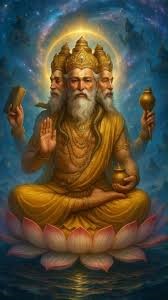
Pulaha Rishi
Pulaha means “extended”. Whatever it is involved with, it will be a long process. It will have length attached to it. Whatever is done is extended and long. Quality of Endurance.
Pulaha gave birth to animals. Lions, tigers, sheep, wolves, butterflies. Also gave birth to Kimpurushas which means, “Maybe, sorta, human”. They are half human, half animal. They live in the state between animal instinct and human rationality.
In mythology, these beings live north of the Himalayas and live for 10,000 years. They have no sickness or sorrow. A universal connection exists between animals within the same species which humans have lost. Pulaha has the ability to return to a more connected spiritual state.
Pulaha is the first to get knowledge from one of the first Rishis. Great deal of knowledge available in this Aditya. Indeed, joy of knowledge and happiness from learning comes from this Rishi. Humans need to learn everything; animals do not because they have instinctual knowledge.
Pulaha’s wife was Patience. Everything that is extended requires patience. Gati is the other wife which is progression, so the other power is to make progress. Progress is one step after another. It doesn’t matter how small the step is. The wives of the Rishi are considered to be the shakti or power behind the Rishi.
The Law of Long is the law of Pulaha Rishi and it means if it lasts a long time, it is true. Anything that is done a long time becomes a law of its own. This Rishi is connected to respecting traditions and customs. Whatever we do over a long period of time, we do it because it is the Truth of who we are. Those things that are not truly us, we do not do for a long time. We are something because we possess an instinctive knowledge about it. The Law of Enduring and not stopping guarantees success.

Praheti Rakshasa
Praheti is the brother of Heti, the demon assigned to Dhata. He is the most peaceful of the Rakshasas. “Pra” means “away from”. When it comes to combat, humans are most suited to restraint.
The human body is not designed to kill with fingers, long legs and arms. In Jaimini astrology, Venus, the ruler of Aryama and by default, Praheti Rakshasa, is not given a weapon. In a lot of ways, Venus is the most peaceful planet, especially with the rulership of Praheti.
The Moon is exalted in Praheti (Aryama) and the Moon is gentle. Saturn is exalted in Tvashta and Saturn means death. The quality of the planet exalted in an Aditya tells you its quality, its nature.
The goal of Praheti is connection. You cannot have connection when there is destruction. Relationships are very fragile and the Moon is fragile because she has a good memory. She remembers through her emotional body. Because the Moon is so delicate, the key to having lasting companionship is to NOT damage the Moon.
If Aryama is healthy, the Hetih force can be transmuted into inner peace which is the quality of Praheti. Aggression, hatred and violence retreat inward and are transmuted into peace. If we are not able to sublimate our Hetih force, it will cause major damage to our relationships. For long-term companionship, people need to step away from the Hetih force.
When we use our Praheti force, so much resentment, rage and complaining disappears. It all just doesn’t matter; it is the past. It allows us to put everything that is not part of where we want to go, that is not valuable, behind us.
The Praheti force allows us to efficiently move forward with things that matter and not get caught up in old resentments and anger. Do we want to move forward or do we need to prove ourselves?
If Praheti or Venus is afflicted, it will be more difficult to sublimate that. The Hetih force out of control wastes more time than anything else through fighting and arguing. Aryama is the Long Aditya, it is long in length and long in height. Venus wants long-term foundations.
These two forces are needed because there are times when we truly must defend ourselves. Hetih is moveable, something we use every once in awhile. Hetih and Praheti are the primal Rakshasas, everything else is between them. No other Rakshasa will be as powerful a warrior as Hetih, no other Rakshasa will be able to sublimate destruction and ruin to the degree that Praheti does. They are polar opposites, just like Sun is exalted in Hetih and Moon in Praheti, Sun and Moon are polar opposites. Hetih is external, Praheti is internal. What allows us to step into Praheti is recognizing how subjective things are.
Hetih is recognizing how physical things are. If we are in a situation where there could be harm to our physical Self, we need our Hetih to get outta there. It is a physical thing. If we have emotional wounds or an inferiority complex in our psyche, and someone triggers that and we want to hurt them, that is a subjective matter of the Moon. It only hurts because our psyche already believes it. The Praheti force transmutes and sublimates because it recognizes it’s all subjective.
Unless someone forcefully restrains you and physically harms you, the pain you feel is your responsibility. This is a severe statement but TRUE and TRUTH is extreme.
What matters is how one feels about oneself. When that gets healthier, the Praheti force starts sublimating these subjective remarks naturally. 99% of the problems in people’s lives are subjective relationships with themselves. They are experiencing pains due to the actions of others that have nothing to do with them. Recognizing this allows us to do the Praheti. It’s a critical thing to do the Praheti! Why? Who wants to have an exalted Moon? Who wants to feel good? That is an exalted Moon. It is the Praheti that exalts the Moon and makes it feel better.

Rathauja Yaksha
Ratha means Chariot.
Uja means Vigor, vitality, energy. We have this chariot that has energy to do something specific.
Uja is in the chariot and determines what the chariot has energy to do and what it doesn’t have energy to do. Does our chariot get energized or not get energized?
We are energized to do certain things based on who we are. This Yaksha is about energy and shows us where we are supposed to put that energy. Do we have the energy for it? If we don’t have the energy in our chariot, we will get sick.
If we begin things for which we have energy, we’ll have a completion, a resolution and we will feel good. By tuning ourselves to this Yaksha, it helps us know what we are supposed to do.
We may try to follow something else because we have wrong ideas in our head, we are living lies, we are Not-Self. All of that we do, the fire gets squandered, the energy is squandered and we get exhausted. It is important that we align our lives to this because if we don’t, we’re not going to attach the chariot to the horses and not move forward.
If we follow other energies, we will just end up with frustration, dissatisfaction, be disgruntled bitter and miserable.
The 2nd Aditya is the face and it is the face more than anything else that shows what we have energy for.
When people see our face, they are seeing what we have energy for. It is critical we follow the natural energy reserves that we have. In the end, we follow our energy. We will be forced to after a long, long time. There is no energy to do what is not right for us to do. If you find yourself frustrated, exhausted, it’s because you are using your energy in what is not right for you to do. That is not how life is supposed to be. You put yourself in that situation due to some pathological idea or need or to prove something. You are wasting your Ojas. This is the energy that keeps you alive. Ojas is ruled by Venus and is in your kidneys.
Any bad avastha is going to show a block in following the dictate of the body’s energy. The body is more intelligent than you. This all happens through Rathauja. It is critical we follow this force.
The lips, eyes and eyebrows show what we have energy for. The face has all the senses and the primary reason we have these senses is to get nourishment. The mouth is a symbol of nourishment and lips are the most differentiated parts of our being. We must use the energy we have to gain nourishment; physical, mental and spiritual.
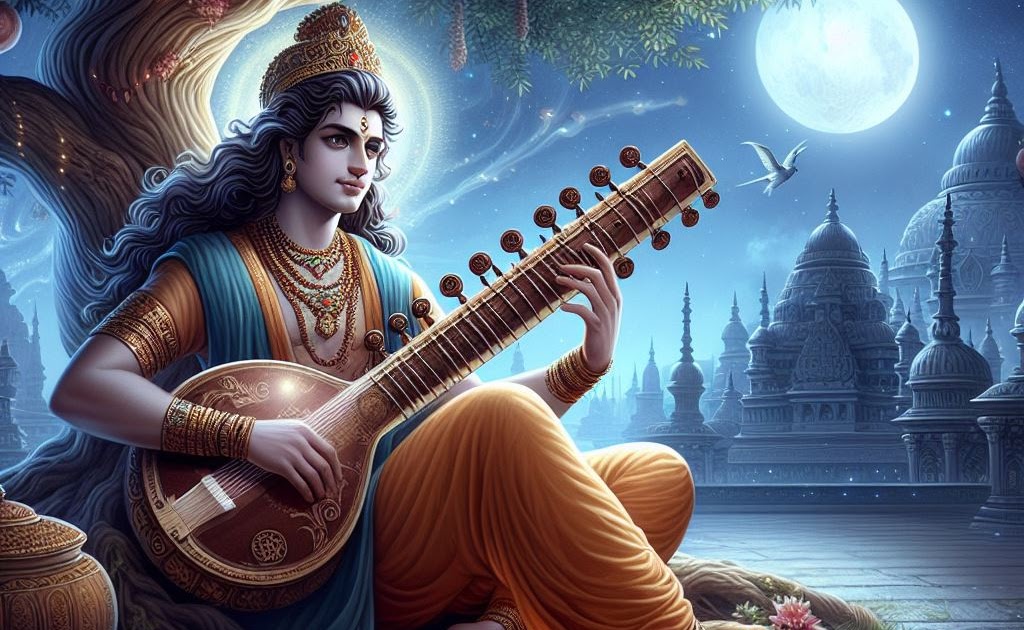
Narada Gandharva
Narada (Upabarhana) Gandharva is the most unique of all the Gandharvas.
Upabarhana means something that is near that is strengthening and supportive and a common word used for pillow. The name perfectly demonstrates the power of companionship which is to be supported and comforted by the companion and vice versa.
He populated the Earth with his 50 wives and could not escape this responsibility. This Gandharva instructs that we cannot avoid our material responsibilities and progress spiritually. The spiritual battle requires the person to fulfill their material responsibilities. Certain things must be done in the material world.
Narada does not want to die until he has fulfilled what he was brought here to fulfill. He will get an extension of life even though he should have died already. If this Gandharva is weak, if he does not get what he wants, he will shirk his responsibilities.
This is the material warrior, the responsible warrior force, an inspiring force in material leadership and can teach people to be responsible, expect people to be responsible. Through Narada, we MUST fulfill our material responsibilities in order to ascend spiritually. Material responsibilities are a pain in the ass. The material responsibility is what will provide them with the opportunity for a spiritual life.
Punjikasthall Apsara
 Punjikasthall means hail on the ground. Hail takes time to melt, thus nourishing the land over a longer period of time. Snow is the same. All forces of nature are considered to have something to offer.
Kritasthall, the Apsara for Dhata, gives us a feeling to build a foundation for something. Let’s say we have a foundation that wants to support life, to help people when they are in trouble. The feeling to do something humanitarian crystallizes. A companion is not only a person but that for which we are in the mood. The companion of the Aryama Aditya is anything toward which we have a crystallized mood, that we feel like doing day after day.
Punjikasthall is capturing the mood, solidifying it as ice. The force that stabilizes our feelings toward something or someone. An unhealthy expression of this would be like a stalker or a consistent mood for substances.
If we have toxicity in our soil, the mood we’ll be in most of the time, on a day-to-day basis, is a toxic mood.
Apsaras are those forces that entice more powerful forces out of us by acting on our feelings.
An example would be if a person is into fitness their entire life then decide to turn it into profession because something or someone came into their life and gave them the right feeling, like now is the time to go further with something the person does on a day-to-day basis.
Copyright © 2026
www.laurabaratastrologer.com | ALL RIGHTS RESERVED